


How to Fall in Love with Reading as a New Reader

Updated: May 18
Reading can introduce you to new worlds, ideas, and experiences. If you’re just starting out, it’s normal to feel a bit overwhelmed by big novels or complicated books. The best way to get into reading is to begin with shorter, simpler books that spark your interest. From what I’ve seen, this makes it easier for beginners to build a lasting reading habit without feeling stressed.
Why Starting Small Matters for New Readers
A lot of people put off reading because it seems difficult at first. Big books with tough language or heavy topics can make beginners want to give up before they start. But choosing short, simple books lets you enjoy reading and build the habit slowly, without feeling overwhelmed. Picking a topic you like and reading in a language you know well can also boost your confidence.
For example, as a new reader, you might start with a short story collection or a light novel that matches your interests. These choices make reading feel like an enjoyable activity rather than a chore.

Choosing Your First Book
Selecting the right first book will make all the difference. Pick an engaging, accessible first book suited to your tastes. Here are some tips:
Pick a topic you enjoy: Whether it’s mystery, fantasy, history, or everyday life, interest keeps motivation high.
Look for clear, simple language: Books written for younger audiences or adapted classics often use straightforward language.
Choose shorter books or collections: Novellas, short stories, or essays provide manageable reading chunks.
Use recommendations: Libraries, bookstores, or online communities often suggest beginner-friendly books.
For instance, a new reader interested in travel might start with a travel memoir that uses vivid but simple descriptions. This makes the whole reading experience immersive without being difficult.
Here’s a list of a few interesting fiction & non-fiction titles that I think can be read by anyone, especially as a book beginner:
1) The Alchemist by Paulo Coelho
2) The Diary of a Young Girl by Anne Frank
3) Harry Potter series by J K Rowling
4) The Five People You Meet in Heaven by Mitch Albom
5) Days at the Morisaki Bookshop by Satoshi Yagisawa
Create a Reading Routine That Fits Your Life
Consistency is more important than quantity when starting to read. New readers benefit from setting aside small, regular time slots for reading. This could be anything, like setting aside 10 minutes before bed, during a daily commute, or a quiet moment with that routine cup of tea/coffee.
The goal is to make reading a natural part of your day. Over time, you’ll notice how even short but consistent sessions together add up to help you build momentum.
Using Tools and Resources to Support Reading
Technology and community resources make reading easier and more. How or where you read doesn’t matter. Try audiobooks, apps, book clubs, or a library membership.
For example, as a book beginner, I could listen to an audiobook version of my first book during a walk or daily commute, and later read the physical copy to reinforce understanding.
Overcoming Common Challenges for Book Beginners
As a new reader, it’s quite natural to face hurdles like losing focus, feeling discouraged, or doubting abilities. Here are a few practical tips to overcome these roadblocks:
Set realistic goals: Aim for a few pages or a chapter at a time. Celebrate small wins.
Take breaks: If concentration fades, pause and return later refreshed.
Choose books that match your level: Avoid jumping into complex texts too soon.
Mix formats: Combine reading with audiobooks or graphic novels to keep it interesting.
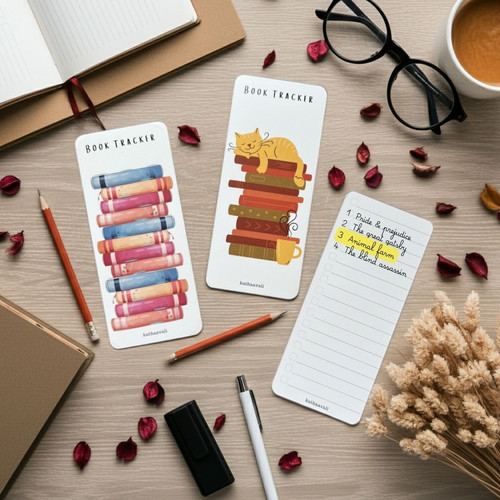
Track your books: Making a note of finished titles may encourage you to read more.
Shop for fun Book Tracker Bookmarks
Remember, every reader’s journey is unique. Patience and persistence matter more than speed.
The Lasting Benefits of Starting Simple
When you begin with manageable steps and simple books, it builds a strong foundation for lifelong reading. Slowly developing genuine love for stories and knowledge, with opportunities for personal growth, creativity, and imagination. Along with relaxation and mental focus, a reading habit can help with improved vocabulary and greater comprehension skills.
Book beginners who start small often find themselves naturally reaching for more challenging books over time. The joy of reading grows as confidence and curiosity expand.

Comments